
MONITORING · BILL CHECKING · TARIFF AND DEMAND
We check the bill, manage the energy, and stay on it
We design, supply and install complete systems. We don’t sell equipment on its own.
Most of what we find costs nothing to fix
Energy management is the part nobody sells you. Equipment gets installed, everyone shakes hands, and then the account carries on arriving with nobody reading it properly. We do the other half: we go through the bill every month, watch what the site actually does, and tell you in plain language what it cost, what it should have cost, and what we are doing about the difference.
What the account is really doing
Why this matters more than it used to
Being efficient now costs you more, and the regulator has said so in writing
The 2026/27 increase was announced at 8.76%. That number describes almost nobody. The rise was loaded into the charges that do not move with how much you use — capacity, network and service charges — while the per-unit rates went up far more gently.
The effect is blunt: a business that has already cut its consumption, or put in solar, carries an increase well above the headline. NERSA's own draft report put it plainly — revenue neutrality at the aggregate level "masks significant distributional shifts, with low-usage residential consumers, agriculture, and energy-efficient customers facing above-average bill increases." Agricultural and industrial users are seeing an effective 20% to 30%.
What that looks like on an Eskom rural account, 2026/27, excluding VAT
Panels do not touch the first number. Nothing on your roof does. It comes down when the supply is sized to what the site actually needs — and that is a reading exercise, not a building one.
This is the part of the account that keeps growing quietly, and it is the part nobody is watching.
What you get
One page a month, and someone who is actually looking
Every month we go through the account against what the site actually did, and you get a single page back:
- What it cost, and what it should have cost. Line by line, including the charges that have nothing to do with consumption.
- Whether the tariff still fits. Sites change. Shifts move, equipment gets added, a season ends. The tariff that suited you two years ago may be costing you now.
- What your demand did. Maximum demand and power factor are where the penalties hide, and both are fixable.
- Whether the solar earned its keep. If you have a system, we compare what it produced against what it was sold to produce, and tell you the difference in rands.
- What we are doing about it. Anything wrong on the account gets taken up and followed through. You do not chase it.
Does this apply to you
When you need this, and when you honestly do not
We would rather say so up front than take a retainer that does nothing.
A single meter, no demand or capacity charge on the bill, no solar, and a bill that behaves predictably month to month.
Several meters or points of delivery, a demand or capacity charge on the bill, or a site that runs in shifts or seasons.
Nobody is checking what it produces, or the account moves and nobody can say why. This is where the money usually is.
How it starts
Four steps, and you can stop after any of them
- The free Quick Check. Send three recent accounts. You get one page back telling you what we can see from the bills alone. No cost, no obligation.
- The deep audit. Twelve months of accounts and a measured week on site, so we are working off what the place actually does rather than what the bill says. The fee is credited if you go ahead with us.
- The monthly retainer. The bill checked every month, or full monitoring with a monthly report, so a fault is flagged instead of waiting to show up on an account.
- A correctly sized system, if the numbers ask for one. By this point we both know what the site needs, which is the only honest time to talk about equipment.
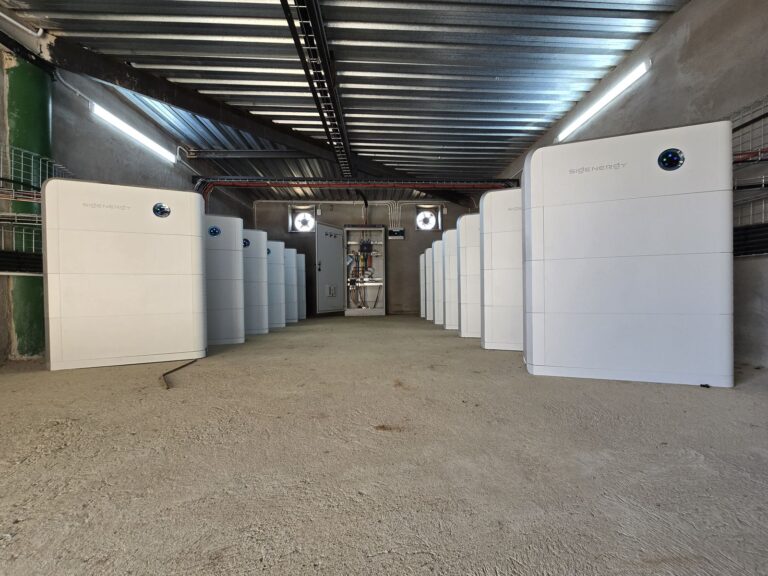
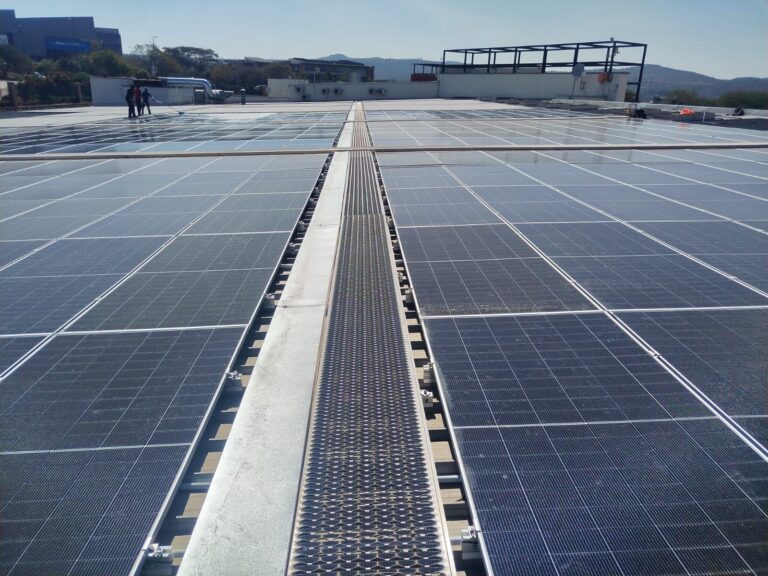
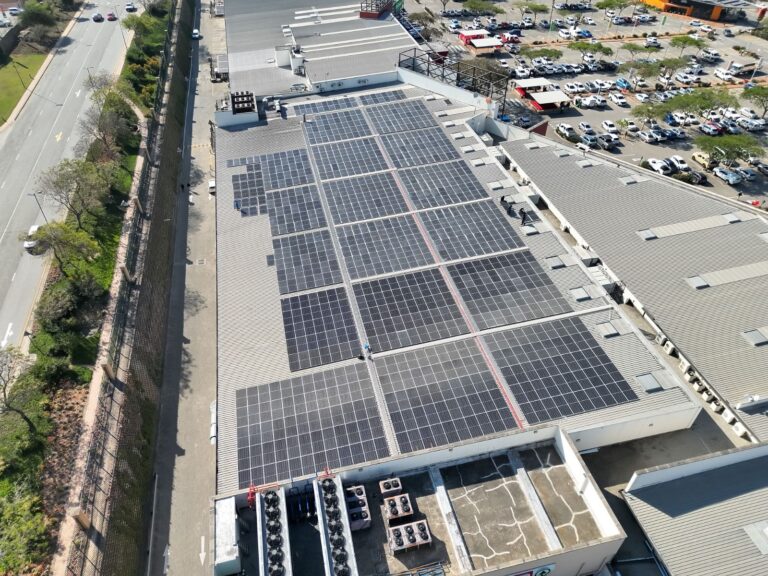
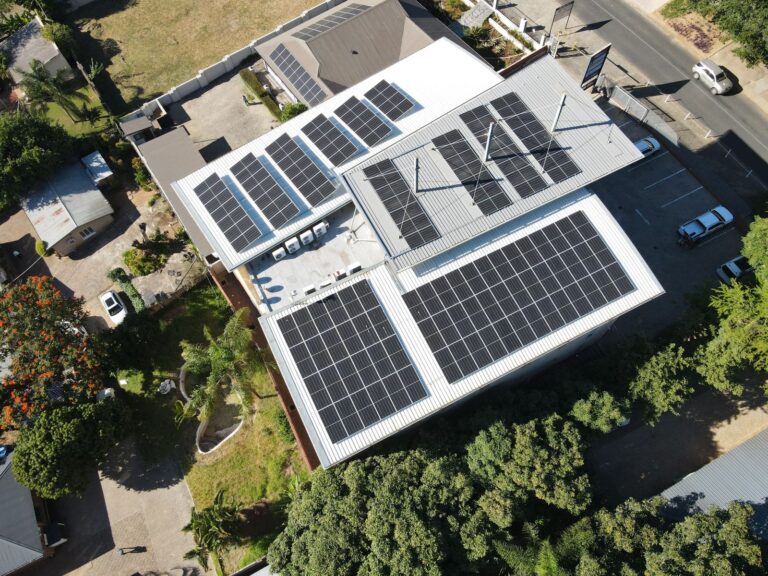
Sites we manage
The questions we get asked
Our bill went up after we put in solar. How is that possible?
It is the most common call we take, and it is usually not the panels. Capacity, network and service charges are billed on the size of your supply, not on the units you use, so they carry on exactly as before while your consumption falls. On top of that the last increase was weighted towards those fixed charges.
Add a system that is not producing what it was sold to produce and the account can genuinely end up higher. We can tell you which of those is happening at your site.
Our bookkeeper already checks the bill.
They check that the amount matches the invoice and that it gets paid on time, and most do that well. What they are not looking at is whether the tariff suits how the site runs, whether the supply is bigger than it needs to be, whether demand or power factor is drawing a penalty, or whether the meter is telling the truth.
Those are the lines the money hides in, and they do not look wrong on an invoice.
Are we on the right tariff?
Often not. Tariffs are chosen once, usually when the supply is first connected, and then nobody revisits them while the business changes around them. A site that has added a cold room, dropped a shift or put in solar is frequently on a tariff that no longer matches its shape.
We model your own readings against the alternatives and show you the difference in rands before anything is applied for. Changing has conditions and a cost, and we will tell you when it is not worth it.
Can our supply size be reduced?
Sometimes, and it is worth checking because capacity is charged every month whether you draw it or not. Supply sizes are often set for equipment that has since been replaced or removed, and nobody goes back to adjust them.
There are rules about how far and how often it can move, and a reduction has to be lived with, so we look at a full year of demand before recommending it.
Do you have to install something for this to work?
No. The bill check works off your accounts and needs nothing on site. Full monitoring needs metering so we can see what is happening between bills, but that is a separate decision and we will tell you whether it earns its place at your site.
Plenty of our clients never buy equipment from us at all.
How long before this pays for itself?
The honest answer is that we do not know until we have seen your accounts, which is why the first check is free. On some sites the first month covers the year. On others there is very little to find, and we will say so rather than keep billing you for a report nobody needs.
What does the monthly report actually look like?
One page. What the account cost, what it should have cost, what your demand did, what any solar produced against what it was meant to, and what we are chasing on your behalf. Written so it can be read in a minute by someone who is not an engineer.
Ask us and we will show you a real one before you commit to anything.
What happens to our account information?
It is used only to do your work. It is not shared with anyone else, we handle it in line with POPIA, and you can ask us to delete it at any time.